What to Use After Laser or Skin Treatments: A Gentle Korean Recovery Routine
Before reaching for a familiar product, find out what your treatment allows today.
By A Drop of Seoul Editorial Team · · Updated
Seoul-based reporting and human editorial review · How we work
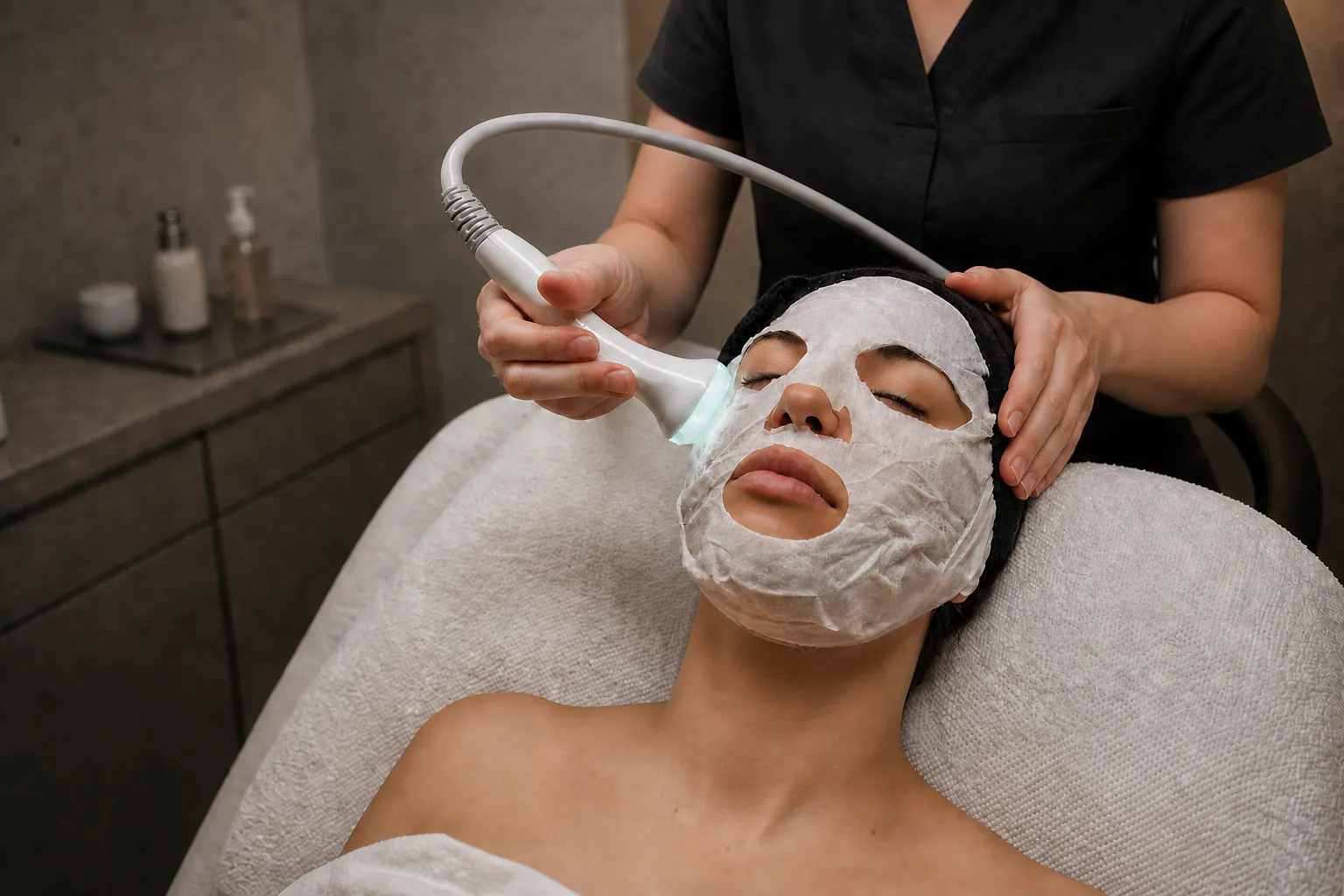
You get home from a treatment and reach for a toner pad. The clinic said to avoid irritating products. Does a pad labeled “calming” count? What about the cica mask waiting in the fridge?
The answer starts with the treatment you had, not the label on the package. A gentle facial, laser resurfacing, microneedling, and a chemical peel can come with different instructions. Even peels vary in depth and aftercare.
Quick answer
Follow the aftercare instructions for your specific treatment. If you’re unsure whether a toner pad, cica mask, or barrier cream fits those instructions, send your clinic a photo of the product and ask when you can use it.
Can I use toner pads?
First check whether the pad is intended to exfoliate or hydrate. Exfoliating acids and the rubbing involved in using a pad may irritate treated skin. A “calming” or moisturizing label alone does not tell you when that particular pad is appropriate. After laser, microneedling, a peel, or extractions, show your provider the product and ask when you can use it, including whether wiping the area is okay.
What about a cica sheet mask?
Cica usually refers to centella or related ingredients in products marketed as soothing. It does not mean the whole formula—or the sheet itself—is suitable immediately after a procedure. Other ingredients, contact with the skin, and the treatment you received matter too. Ask your provider before using the mask; a soothing name is not aftercare clearance.
Is a barrier cream the same as a recovery ointment?
A barrier cream from your usual skincare shelf and an ointment recommended by your provider may have different purposes. Do not assume one can replace the other. Follow the specific product and application instructions you were given, and check with the clinic before substituting or adding a cream.
Bought something at Olive Young and unsure about it? Show the clinic a photo of the product and ingredient list and ask when you can use it.
Can I wash my face tonight?
After laser resurfacing, microneedling, or a chemical peel, ask the provider when and how to wash, and what to use. Instructions can differ with the procedure and its intensity; do not use a generic evening routine to fill a gap in your instructions. The American Academy of Dermatology's chemical peel guidance describes different aftercare for different peel depths.
After a gentle facial without a peel or extractions, follow any specific instructions you received. If there are none and your skin feels comfortable, keep to familiar products you already tolerate rather than trying something new. If the facial included extractions or another procedure, ask about those steps specifically.
If your skin feels worse or you’re worried about how it’s healing, contact the clinic that treated you.
When can I use moisturizer, sunscreen, or makeup again?
After laser resurfacing, microneedling, or a peel, ask about each item separately: when to start, which product to use, and how to apply it. Do not assume that permission to use moisturizer also means makeup or sunscreen is allowed. Protect treated skin from sun exposure as directed; while waiting for guidance on sunscreen, seek shade and use protective clothing and a broad-brimmed hat to keep the treated area out of direct sun. The AAD's microneedling guidance notes that aftercare is part of the treatment plan.
When can I restart actives or prescription products?
After a procedure, ask your provider when to resume nonprescription retinol, exfoliating acids, peel pads, scrubs, spicule products, and other potentially irritating products. Skin feeling normal is not, by itself, permission to restart. Ask separately about prescribed treatments, including prescription retinoids and acne medicines: follow the prescriber's advice, and do not stop or restart a prescription on your own. If you have already been told to pause a medicine and are unsure when to resume, contact the prescriber.
Why “cica” and “barrier” appear everywhere
Korean beauty often brings the language of clinical care to everyday products: terms such as cica and barrier cream speak to an interest in soothing and supporting skin at home. For more on how that clinic-to-beauty-shelf connection developed, read Clinic-to-Home Skincare.
FAQ
What if I don't know which laser I had?
Contact the clinic for the procedure name, treatment area, and aftercare instructions. Ask when and how to wash and when to resume each product. Share a photo of the products you want to use. Until you have guidance, avoid adding unfamiliar products or treating a general routine as a substitute for your instructions.
What if I lost my aftercare instructions?
Ask the provider to send them again and clarify anything that is unclear, including who to contact if symptoms worsen.
Read next
Once your provider has cleared you to return to everyday skincare, explore A Korean Barrier-Repair Routine for Irritated Skin for a simpler daily routine.