Five K-Beauty Serums Worth the Hype
Five viral bottles, five different jobs — and the honest reason each one deserves space in a routine.
By A Drop of Seoul Editorial ·
K-beauty does not have a serum shortage. It has a decision problem.
Every shelf promises glow, glass skin, smaller-looking pores, calmer breakouts, and a stronger barrier. Buy by hype alone and you can easily come home with five watery bottles doing almost the same job.
This is the shorter, more useful edit: five Korean serums that have earned attention for five different reasons. You do not need all of them. You need the one that answers what your skin is actually asking for.
Quick answer
- Best everyday hydrator: Torriden DIVE-IN Serum
- Best for an instant dewy finish: Anua PDRN Hyaluronic Acid Capsule 100 Serum
- Best for post-breakout care: Mediheal Madecassoside Blemish Repair Serum
- Best first-step booster: COSRX The 6 Peptide Skin Booster Serum
- Best gentle entry to retinol: innisfree Retinol Cica Moisture Recovery Serum
If your routine already works, do not add a serum because this list exists. A serum earns its place only when it fills a clear gap between cleansing and moisturizer.
How we chose the five
This is a researched editorial shortlist, not a claim that all five products were tested side by side in a lab.
We looked at current official formulas and directions, Korean award and bestseller signals, texture patterns repeated across public reviews, and whether each bottle has a distinct role. We also looked for the catch: where the marketing runs ahead of the likely result, who may find the texture annoying, and when a simpler product would do.
Prices are intentionally omitted because Korean and global retailers change them constantly. Compare the same bottle size, check the current ingredient list on the box, and buy from an authorized seller.
1. Torriden DIVE-IN Serum
Best for: lightweight daily hydration
Texture: watery gel-serum
Use it: morning or night, before moisturizer
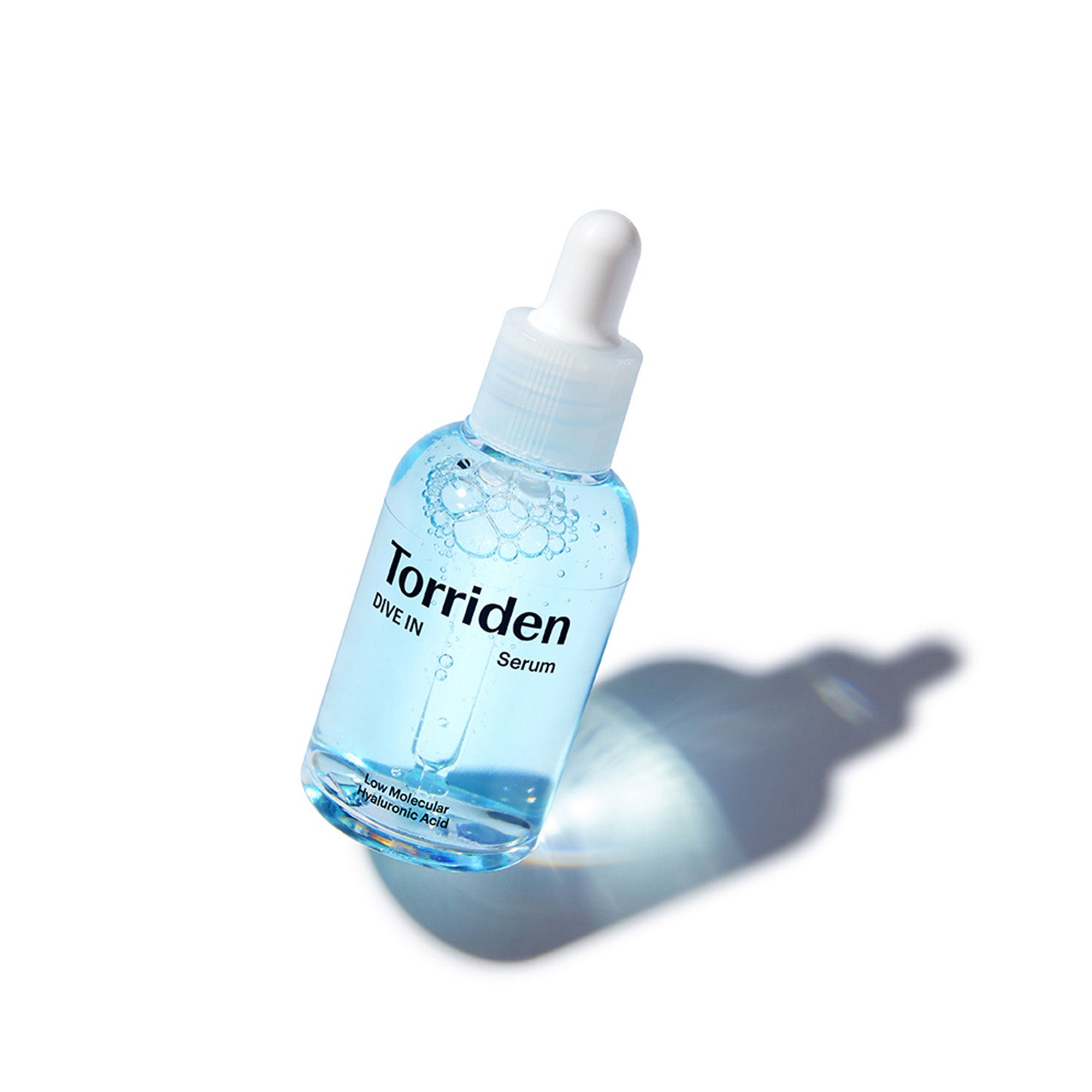
Product image: Torriden official.
This is the least dramatic bottle here, which is exactly why it works.
Torriden's current formula combines five forms of hyaluronic acid with panthenol, allantoin, and ceramide NP. In practice, that means a light layer of water-binding hydration without asking the rest of your routine to accommodate a thick or oily finish.
The hype is justified by usability more than novelty. DIVE-IN slips under sunscreen and makeup, works beside most actives, and is easy to reach for when skin feels tight but a rich serum would be too much. It is the safe first pick for someone who does not know which serum to buy.
The limit: hyaluronic acid is a humectant, not a complete moisturizer. In dry air, apply it to slightly damp skin and follow with a cream that reduces water loss. If your barrier is already comfortable, this may feel pleasant rather than transformative.
Our verdict: worth the hype for consistency, layering, and a low-friction texture — not because five molecular weights make it five times more powerful.
2. Anua PDRN Hyaluronic Acid Capsule 100 Serum
Best for: a plump, dewy finish
Texture: light capsule serum with slip
Use it: before moisturizer or mixed sparingly into base makeup
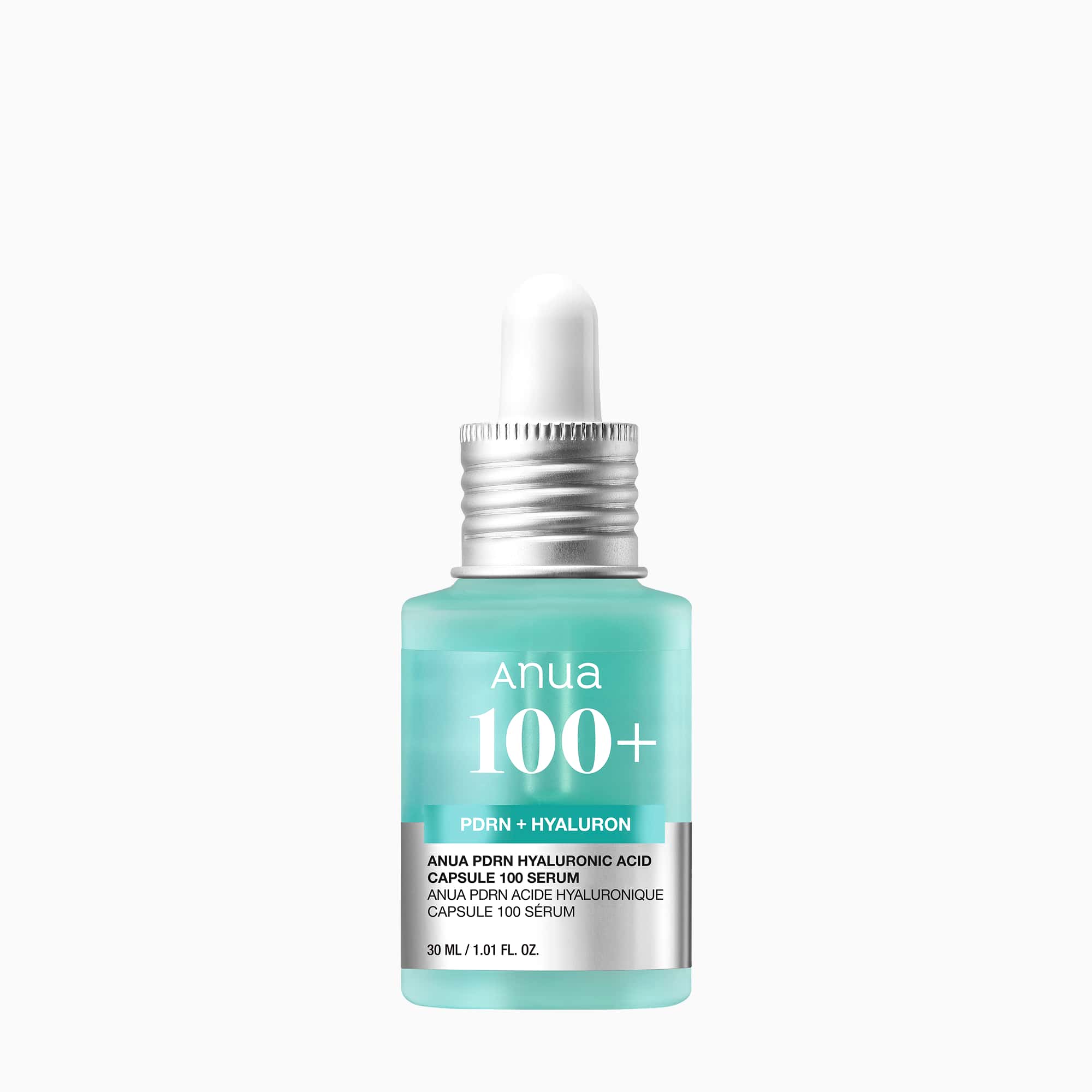
Product image: Anua official.
This is the most trend-driven pick on the list. It is also the one that needs the clearest expectations.
Anua lists hyaluronic acid forms, niacinamide, hydrolyzed collagen, glutathione, and salmon-DNA-derived sodium DNA in the formula. The immediate appeal is easy to understand: hydration, bounce, and a glossy finish that photographs well.
That makes it useful before makeup or whenever dull, dehydrated skin needs to look fresher quickly. But a topical PDRN serum is not an at-home version of an injectable skin booster. The honest reason to buy this is the elegant hydrating finish, not the promise of a clinic procedure in a dropper.
The limit: very oily skin may find the glow too shiny, and anyone avoiding animal-derived ingredients should note the salmon source. The brand's hydration results describe short-term changes after application; they should not be read as evidence of permanent skin remodeling.
Our verdict: worth the hype as a cosmetic glow serum. Skip it if you want a matte finish or if the word “PDRN” is doing more work on you than the actual formula.
3. Mediheal Madecassoside Blemish Repair Serum
Best for: the look of post-breakout marks and stressed skin
Texture: light, smooth serum
Use it: daily, under moisturizer and sunscreen
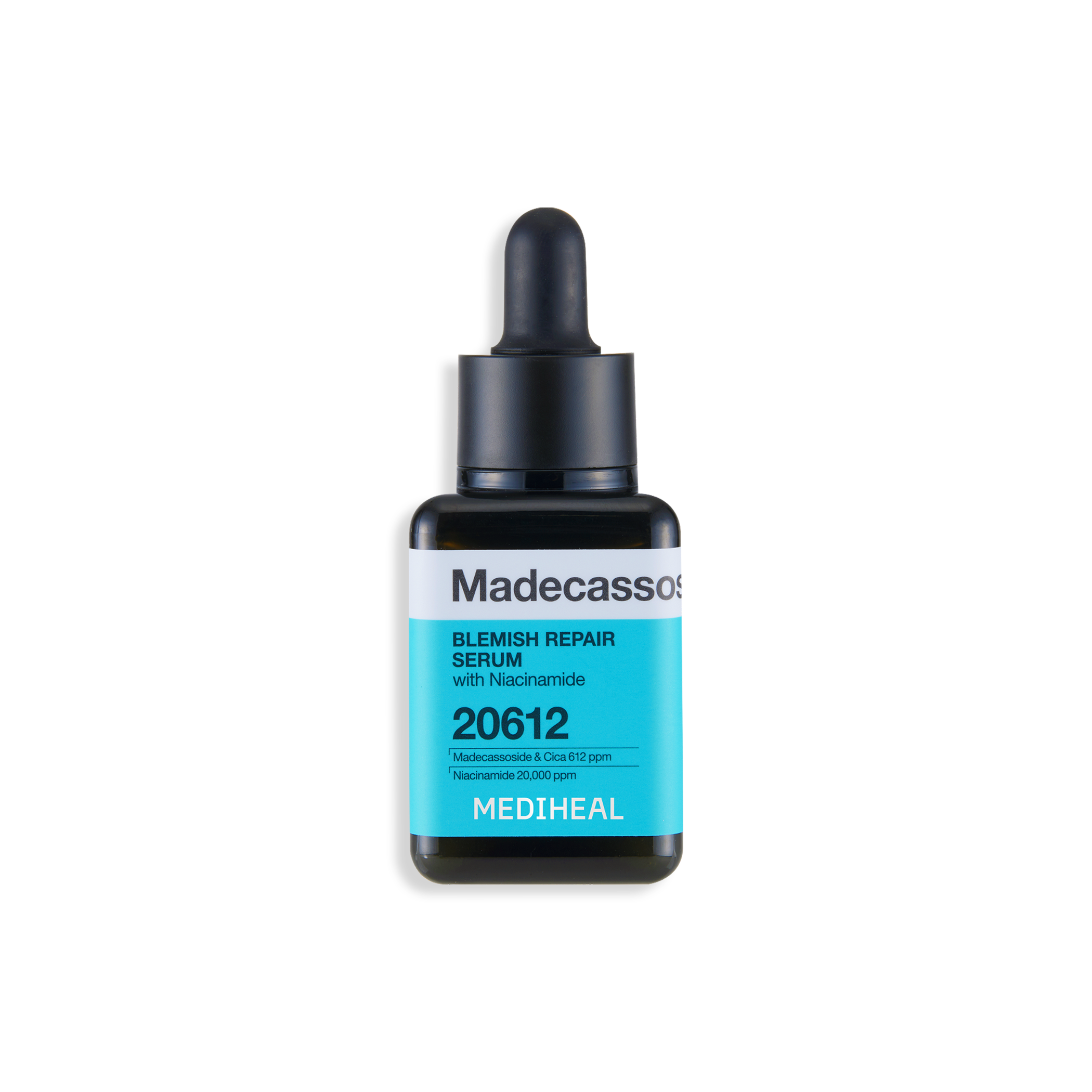
Product image: Mediheal official.
“Blemish” is an unhelpfully broad word. This serum makes the most sense after the angry stage of a breakout, when the spot is flat but the visible mark and surrounding redness are taking their time.
Mediheal positions the formula around madecassoside and a lightweight, non-greasy texture. Madecassoside is a component associated with centella, and the appeal here is gentler support rather than a high-strength acid or aggressive spot treatment.
That distinction matters. A calming serum can make a routine easier to sustain while sunscreen and time do the slower work on post-breakout marks. It is also easier to pair with an existing acne routine than another exfoliant would be.
The limit: this is not a treatment for cystic acne, infection, or persistent inflammatory breakouts. It will not erase a mark overnight, and feedback on the scent is mixed. Patch test if fragrance or botanical-heavy formulas often bother you.
Our verdict: worth the hype for people who want post-breakout care without turning every night into active-ingredient night.
4. COSRX The 6 Peptide Skin Booster Serum
Best for: adding a light first step to an otherwise simple routine
Texture: toner-like and fast-absorbing
Use it: immediately after cleansing, before a treatment serum or cream
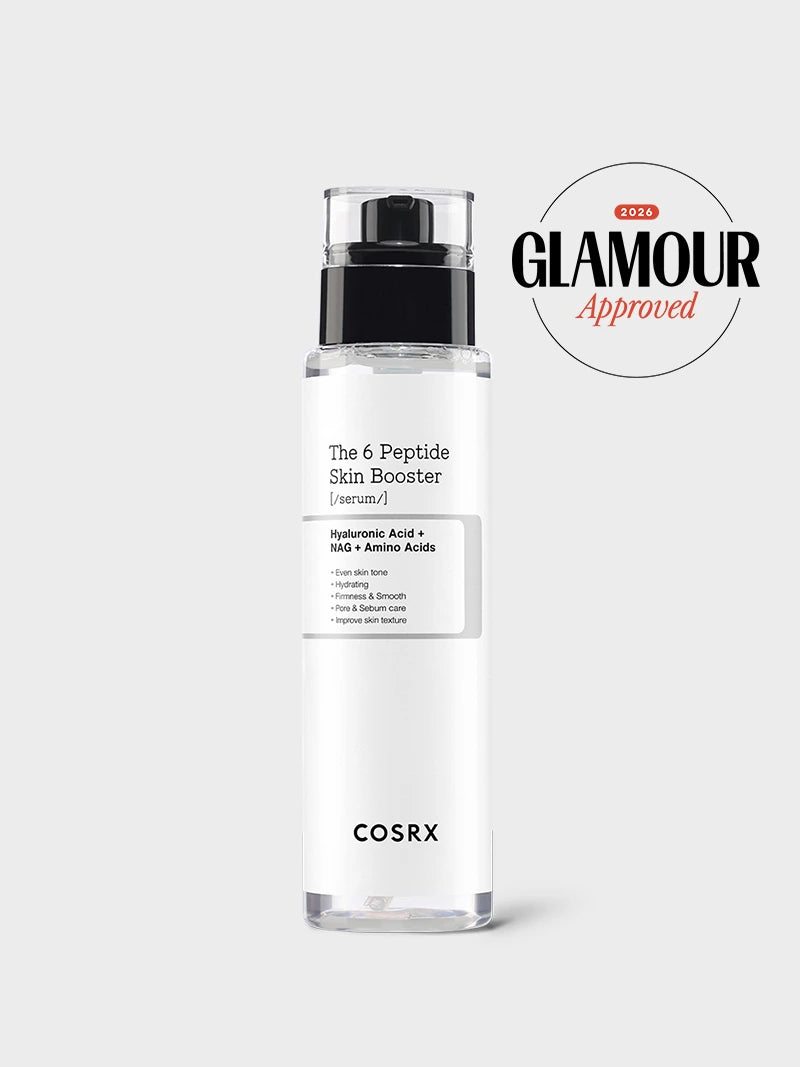
Product image: COSRX official.
The large 150ml bottle makes more sense once you stop treating it like a precious dropper serum. This is a first-step hydrator and routine primer.
COSRX's formula includes six peptides alongside niacinamide, sodium hyaluronate, amino-acid components, and allantoin. The very thin texture is the point: it can add hydration and slip without making a layered routine feel crowded.
Peptide language can become theatrical fast. Do not expect a topical booster to lift the face or replace a retinoid. The brand cites a small 20-person study, which is useful product-specific evidence but not a reason to translate every percentage into a guaranteed personal result.
The limit: if you want one concentrated serum to target one concern, this may feel too diffuse. It works best as connective tissue in a routine, not as the star. Very minimalist routines may get similar satisfaction from a hydrating toner.
Our verdict: worth the hype for the texture, generous size, and easy layering. The best way to use it is before the product doing your more serious work.
5. innisfree Retinol Cica Moisture Recovery Serum
Best for: retinol beginners focused on texture and mild breakouts
Texture: light, moisturizing serum
Use it: at night, starting every other night or less often
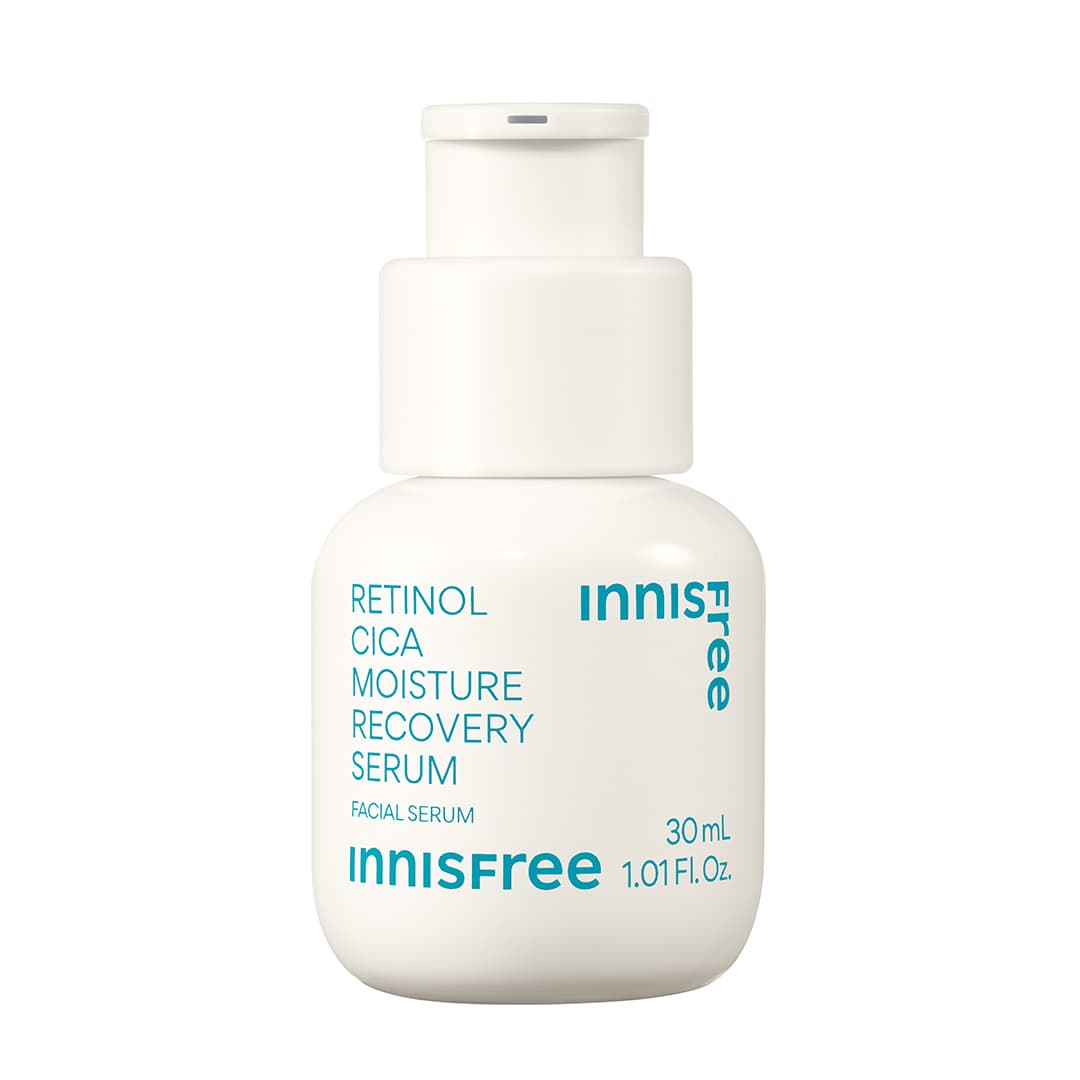
Product image: innisfree official.
This formula has appeared under slightly different names by market, including Retinol Cica Repair Ampoule. The current US version is Retinol Cica Moisture Recovery Serum, a water-based formula with retinol, niacinamide, ceramide NP, and several centella-derived components.
It represents a very Korean approach to retinol: put a potentially irritating active inside a formula designed to feel calm and easy to continue. That does not make irritation impossible. It makes the starting point less intimidating than jumping directly to a high-strength formula.
The American Academy of Dermatology recommends beginning with the least-intense retinoid formula you can find, using it every other night at first, and wearing sun protection during the day. That is a more sensible ramp-up than following an “AM & PM” label from day one.
The limit: introduce it slowly, do not stack it immediately with exfoliating acids, and stop if irritation keeps building. The AAD advises avoiding retinoids during pregnancy; ask your dermatologist or obstetrician if pregnancy, breastfeeding, prescription acne medication, eczema, or rosacea changes the decision for you.
Our verdict: worth the hype as an approachable first retinol, not as a shortcut to overnight poreless skin.
Which one should you actually buy?
Choose by the missing function in your routine:
- Skin feels tight by midday: Torriden
- You want a dewy finish before makeup: Anua
- A breakout is gone but the visible mark lingers: Mediheal
- Your routine needs a weightless first layer: COSRX
- You are ready to introduce retinol carefully: innisfree
If two descriptions sound relevant, start with the gentler hydrating option. Use it for two weeks before adding anything else. Skin rarely rewards a five-serum haul as much as it rewards one clear change made consistently.
How to add a serum without wrecking your routine
Apply serum after cleansing and toner, if you use one, and before moisturizer. Thin formulas go first. Most people need only a few drops or one to two pumps.
Introduce one new product at a time. That is not a boring rule; it is how you know which bottle helped and which one caused stinging, bumps, or peeling. Patch testing matters even when a product is described as gentle or non-comedogenic, because neither term guarantees your individual response.
For daytime routines, finish with broad-spectrum sunscreen. That matters especially when your goal is fading the appearance of post-breakout marks or when you are using retinol.
Our honest take
The best Korean serums are not impressive because they contain the longest ingredient list. They are impressive because they make a useful step feel easy enough to repeat.
Torriden hydrates without drama. Anua delivers the quickest visible glow, with marketing that needs perspective. Mediheal offers a calmer route after breakouts. COSRX makes layering easier. innisfree gives retinol beginners a measured place to start.
That is five good products — and still only one reason to buy: your routine has a job for it.
Source note
This guide was researched and updated on August 22, 2026. Product names, current ingredient lists, directions, and product images were checked against official pages from Torriden, Anua, Mediheal, COSRX, and innisfree. Product images remain the property of their respective brands. Retinol-use guidance was checked against the American Academy of Dermatology. Formulas and regional product names can change; check the package before use. This article is educational and is not medical advice.
FAQ
Do I need a serum in a Korean skincare routine?
No. Cleanser, moisturizer, and sunscreen form a more useful foundation. Add a serum only when it addresses a specific concern your basic routine does not cover.
Can I use two Korean serums at the same time?
Often, yes, but more layers are not automatically better. Pairing a simple hydrator with one targeted product is usually easier to tolerate than stacking several active serums. Introduce them separately first.
What is the difference between a serum, ampoule, and essence?
Korean brands use the terms loosely. Texture and concentration can differ, but the name alone does not tell you how strong a formula is. Read the ingredient list and directions instead.
How long does a Korean serum take to work?
Hydration and surface glow can be noticeable quickly. Changes in uneven tone, texture, or post-breakout marks usually need consistent use over several weeks, and results vary.
Which serum is safest for sensitive skin?
There is no universally safe serum. A simple hydrating formula is usually the lower-risk place to start, but patch test and avoid adding several new products together. Persistent redness, itching, or painful breakouts deserve professional advice.