What \"Slow Aging\" Means in Korea
Not anti-aging. A different verb entirely — and it started in a hospital, not a marketing department.
By A Drop of Seoul Editorial ·
There's a word you'll start hearing about ten minutes into any conversation with a Korean person under forty who has recently changed something about their life.
저속노화 — jeosok-noh-hwa. Literally: low-speed aging.
Not anti-aging. That's a different Korean word and a different idea. Anti-aging is about the surface, and Korea has an entire economy for that. This one is about the rate — the pace at which the body actually gets older — and the difference between those two verbs turns out to explain a lot about what's changed here.
The most telling thing about it is where it came from. Not a brand. Not a wellness influencer. A geriatrician, posting on Twitter about rice.
Quick answer
저속노화 means slowing the rate of biological aging through everyday habits rather than treatments — food, movement, sleep, and mental load.
It was popularized by Jung Hee-won, a geriatrics professor at Asan Medical Center in Seoul, who spent years posting about what he called a slow-aging way of eating. He'd been doing it himself since 2012, when he was a second-year resident.
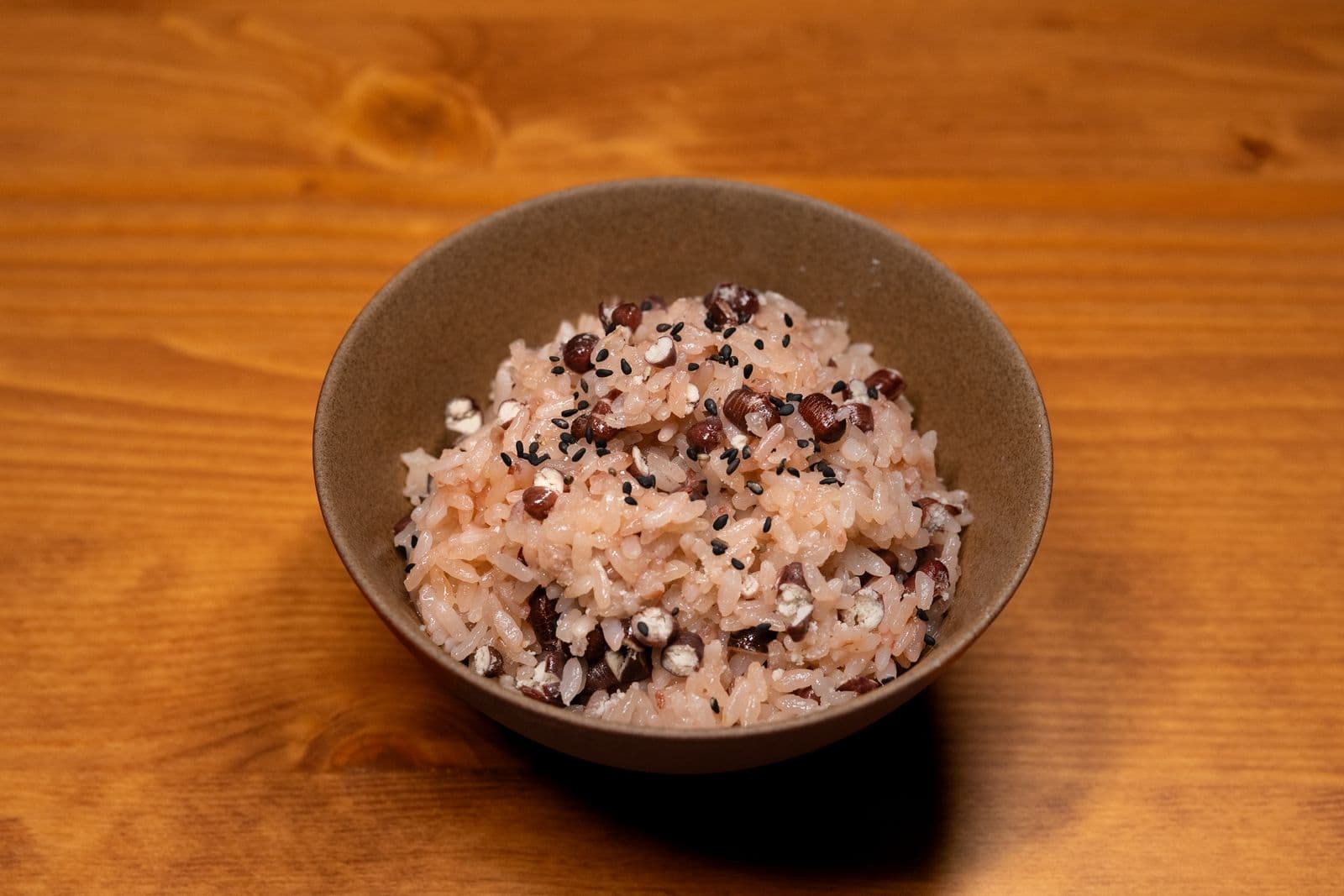
The entry point is almost comically ordinary: put beans and whole grains in your rice. That's the ritual. That's where everyone starts.
Why the verb matters
Korean beauty culture has an unusually intense relationship with looking young, and nobody here would pretend otherwise. The clinics, the sunscreen discipline, the fact that a twenty-four-year-old will talk seriously about prevention — all of it is real, and we've written about the skincare side of it.
What's interesting about 저속노화 is that it declines to play that game.
It doesn't promise you'll look younger. It proposes that aging has a speed, that the speed is partly yours to set, and that the levers are shockingly boring: what you eat, whether you move, whether you sleep, how much your mind is carrying. Nothing about it is photogenic. That's arguably why it caught on — after a decade of increasingly elaborate self-optimization, an idea that asks you to eat beans reads as a relief.
What the diet actually is
Strip the discourse away and it's fairly simple, and fairly familiar to anyone who's read about Mediterranean eating.
Out: simple sugars and refined grains. White rice, white bread, sweetened drinks, most convenience snacks.
In: whole grains, beans and legumes, vegetables, berries, nuts, fish and poultry, olive oil.
The mechanism people talk about: keeping blood sugar from spiking — raising it slowly rather than sharply. That's the throughline connecting a diet that otherwise looks like generic good advice.
And the on-ramp, the thing that made it spread, is the rice. Korean meals are built on a bowl of it, so changing the bowl changes everything downstream without changing anything else. 잡곡밥 (japgok-bap, multigrain rice) with beans added is the single most-repeated piece of advice in this entire movement.
There's something very Korean about that. A national health idea that propagates through the rice cooker.
The four things, not the one thing
The dietary part gets all the attention, but the framing Jung Hee-won actually uses is broader, and it's usually rendered as four habits:
Eat well. Move well. Tend to your mind. Sleep well.
Which sounds like a fridge magnet until you notice what's not in it. No supplements. No devices. No treatments. No cold plunges. No morning routine with eleven steps. The claim is that the compounding effect of four ordinary things beats the intermittent effect of expensive ones.
Whether you find that convincing probably depends on what you were hoping to buy.
How it's showing up in daily life
Convenience stores changed. Whole-grain onigiri, low-sugar drinks, protein-forward snacks, and the word 저속노화 or 제로 (zero) printed on packaging. Olive Young's own snack line sits squarely in this space.
Continuous glucose monitors went mainstream. The small sensor on the back of the arm, originally for diabetics, is now worn by a substantial number of people who aren't — one figure puts non-diabetic users at 41.4% of the total. You'll spot them on people at the gym, in cafés, at dinner.
Wellness got younger. The people buying into this are in their twenties and thirties, which is not who health-span advice has historically been aimed at.
The language crossed into beauty. "Slow aging" now appears on skincare, supplements, and clinic menus, because of course it does.
The part we'd be careful with
We like this idea. We'd also flag three things.
It's already a marketing word. 저속노화 on a package means roughly what "clean" or "wellness" means on a package elsewhere — sometimes a real formulation choice, often just a font. A jelly with a slow-aging label is still a jelly.
Glucose monitoring for healthy people is not settled. Wearing a CGM without a metabolic condition is popular here and genuinely interesting, but the case that it improves outcomes in healthy adults is thinner than the adoption rate suggests. Plenty of people end up anxious about a post-lunch curve that was always going to happen.
Restriction can wear a health costume. Any framework that sorts food into good and bad can become something else in the wrong hands, and Korea's relationship with body standards is not exactly relaxed. The version of this we'd endorse is additive — more beans, more vegetables, more sleep — not a list of forbidden things.
What we'd actually take home
Honestly? The rice.
Not because it's magic, but because it's the part that reveals the whole philosophy. You don't overhaul your life. You change one component of the thing you already eat every day, and then you don't think about it again. The habit does the work, not the willpower.
That's the most useful export in Korean wellness right now, and it doesn't cost anything. The Korean wellness habits we'd actually take home covers the rest of them.
Read next
Want the skincare version of the same idea? Korean skincare in your 30s: the slow-aging routine. Curious where beauty and wellness are converging here? Why beauty in Seoul is becoming more holistic. Or start with the small stuff: Korean wellness habits worth keeping.
FAQ
What does 저속노화 mean?
Literally "low-speed aging" — slowing the rate at which the body biologically ages. It's distinct from anti-aging, which addresses appearance. The Korean term is jeosok-noh-hwa.
Who started the slow aging trend in Korea?
Jung Hee-won, a professor of geriatrics at Asan Medical Center in Seoul, popularized it through years of public posting about a slow-aging way of eating. He has said he began following it himself in 2012, during his second year as a resident.
What is the Korean slow-aging diet?
Avoiding simple sugars and refined grains in favor of whole grains, beans, vegetables, berries, nuts, fish, poultry, and olive oil — with the aim of raising blood sugar slowly. In practice most people start by switching white rice for multigrain rice with beans added.
Is slow aging the same as anti-aging?
No, and the distinction is the point. Anti-aging targets how you look. Slow aging targets the pace of biological aging through daily habits — food, movement, sleep, and mental load — and makes no promises about appearance.
Why do so many Koreans wear glucose monitors?
Continuous glucose monitors became a mainstream slow-aging tool, with non-diabetic users making up a large share — one figure puts it at 41.4%. It's a genuine trend, though the evidence that it benefits metabolically healthy people is less established than the popularity implies.