What to Eat on Your First Trip to Seoul
Not a bucket list—six eating situations worth making room for.
By A Drop of Seoul Editorial ·
A list of twenty dishes is a poor way to eat through Seoul. Meals here have formats: something grilled for a group, soup at a counter, market snacks shared while standing, chicken that arrives late. Learn the situation and the dish becomes easier to find.
| Eating situation | A useful first choice |
|---|---|
| Group dinner | Korean barbecue or a shared stew |
| Solo lunch | Kalguksu, gukbap, seolleongtang or a rice bowl |
| Market visit | Two snacks and one proper meal |
| Late night | Fried chicken and beer, or tteokbokki with fried snacks |
| Fast breakfast | Kimbap, dumplings or a convenience-store meal |
| Dietary restrictions | A specialist restaurant with clearly stated ingredients |
One meal cooked at the table
Korean barbecue is the obvious version, but the important detail is company. Many restaurants sell meat in minimum orders designed for two or more people. Go with friends, order one or two cuts rather than the whole menu, and let staff handle the grill when they take over.
One restorative soup or noodle bowl
Kalguksu, seolleongtang, gukbap and many jjigae make excellent solo meals. Seasoning may arrive partly at the table. Taste first, then adjust. A busy specialist restaurant with a short menu is often easier than a famous room serving everything.
One market, edited
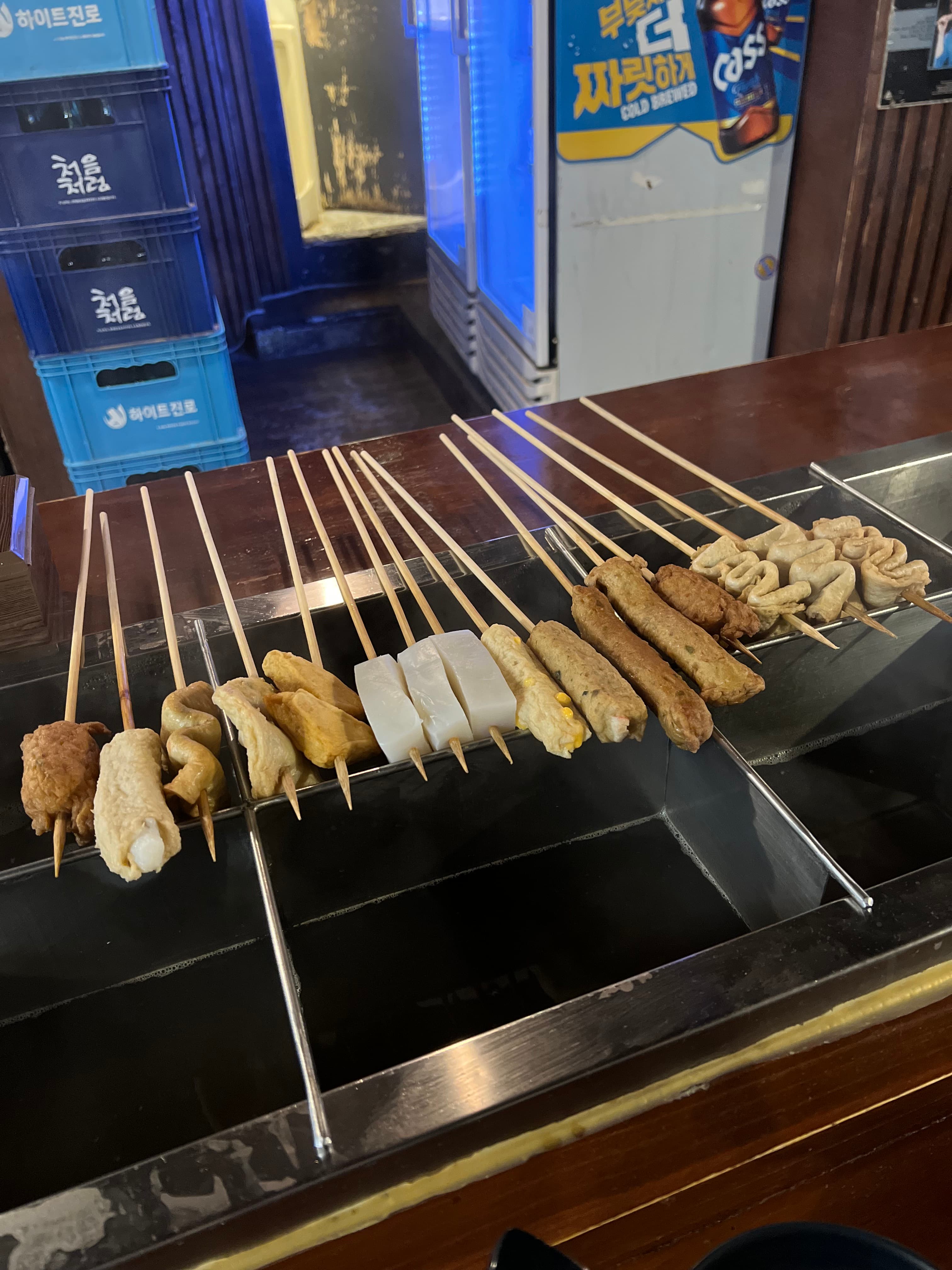
Choose two snacks and a meal, not eight bites for the camera. Mangwon is useful for a neighborhood-and-river day; Gwangjang is central and historic but heavily visited. Markets are working food environments—keep entrances and purchasing queues clear.
One late-night pairing
Fried chicken and beer is less about culinary rarity than delivery, texture and timing. Tteokbokki with fried snacks offers the faster street version. Spice levels vary; bright red is not a standardized warning label.
One ordinary meal
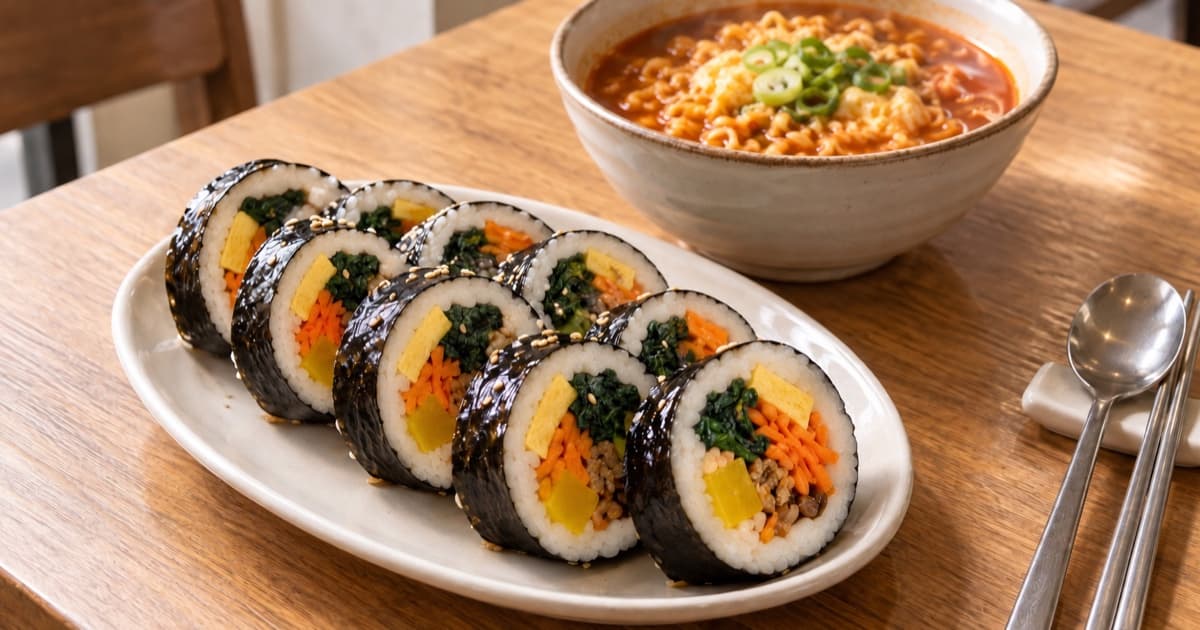
Eat kimbap, dumplings, a rice bowl or a convenience-store breakfast. The unremarkable meal explains daily Seoul better than a reservation every night.
Dietary needs
Do not assume a vegetable-looking broth is vegetarian; anchovy, meat stock and fish sauce are common. Allergy communication requires specific ingredient questions. Save translated phrases and choose specialist restaurants when consequences are serious.
Read next
Start with Korean Convenience Stores for First-Timers, build a market meal into A Han River Picnic, and use Seoul Etiquette Visitors Actually Need for restaurant basics.
FAQ
What food should I try first in Seoul?
Start with one shared Korean barbecue meal, one specialist soup or noodle bowl, one edited market visit and one ordinary kimbap or rice meal. That range explains more than a long checklist of snacks.
Is Seoul easy for solo dining?
Yes for noodles, soups, rice bowls, dumplings, kimbap and many casual restaurants. Table-grilled meat and large shared dishes may require two portions or multiple diners.
Is Korean food always spicy?
No. Many soups, grilled meats, noodles and vegetable dishes are mild. Red colour does not indicate one standardized spice level, so ask when heat matters.
Is vegetarian food easy to identify in Seoul?
Not always. Broths and sauces may contain anchovy, meat or fish even when the visible ingredients are vegetables. Use specific translated questions and specialist venues for strict diets.
Which Seoul market is best for first-time visitors?
Mangwon works well with a neighborhood and river day; Gwangjang is central, historic and heavily visited; Tongin pairs with Seochon and Gyeongbokgung. Choose by route rather than a universal ranking.
Map and verified places
Directory entries are published only after their address and source record have passed our place-verification pipeline. Recheck the live map before travel because individual businesses and access routes can change.
Last checked
August 2026. This story recommends formats rather than volatile restaurant rankings; verified venues belong in the Places directory.