Glass Skin, Realistically — What Works and What's Hype
The routine that actually changes your skin is boring. The 12-step version is mostly for TikTok.
By A Drop of Seoul Editorial ·

Glass skin is not a skincare routine. It's a genetic starting point plus good hydration plus a filter, in roughly that order of importance — and almost nobody selling you a 10-step set will say that part out loud.
We dug into the actual research and product logic behind the hype, and the honest split looks like this: some of it is genuinely worth your money and your five minutes a night. A lot of it is packaging. This is the difference, without the soft focus.
What "glass skin" actually means
The term describes skin that looks poreless, evenly toned, and lit from within — like it's reflecting light rather than absorbing it. That look is mostly a function of three things: skin texture (how even and smooth the surface is), hydration (plumped skin scatters light more evenly), and oil balance (too much shine reads greasy, not glassy, on camera).
None of that requires 12 products. It requires the surface of your skin to be smooth and saturated with water. That's it. Everything else is refinement.
What actually works Cut through the marketing and three things do almost all of the heavy lifting: consistent hydration layering (a humectant toner or essence, applied while skin is damp), regular gentle exfoliation to smooth texture, and daily SPF to prevent the sun damage that undoes all of it. Everything else — sheet masks, jade rollers, 10-step sets — is optional polish on top of that foundation, not a substitute for it.
What genuinely works
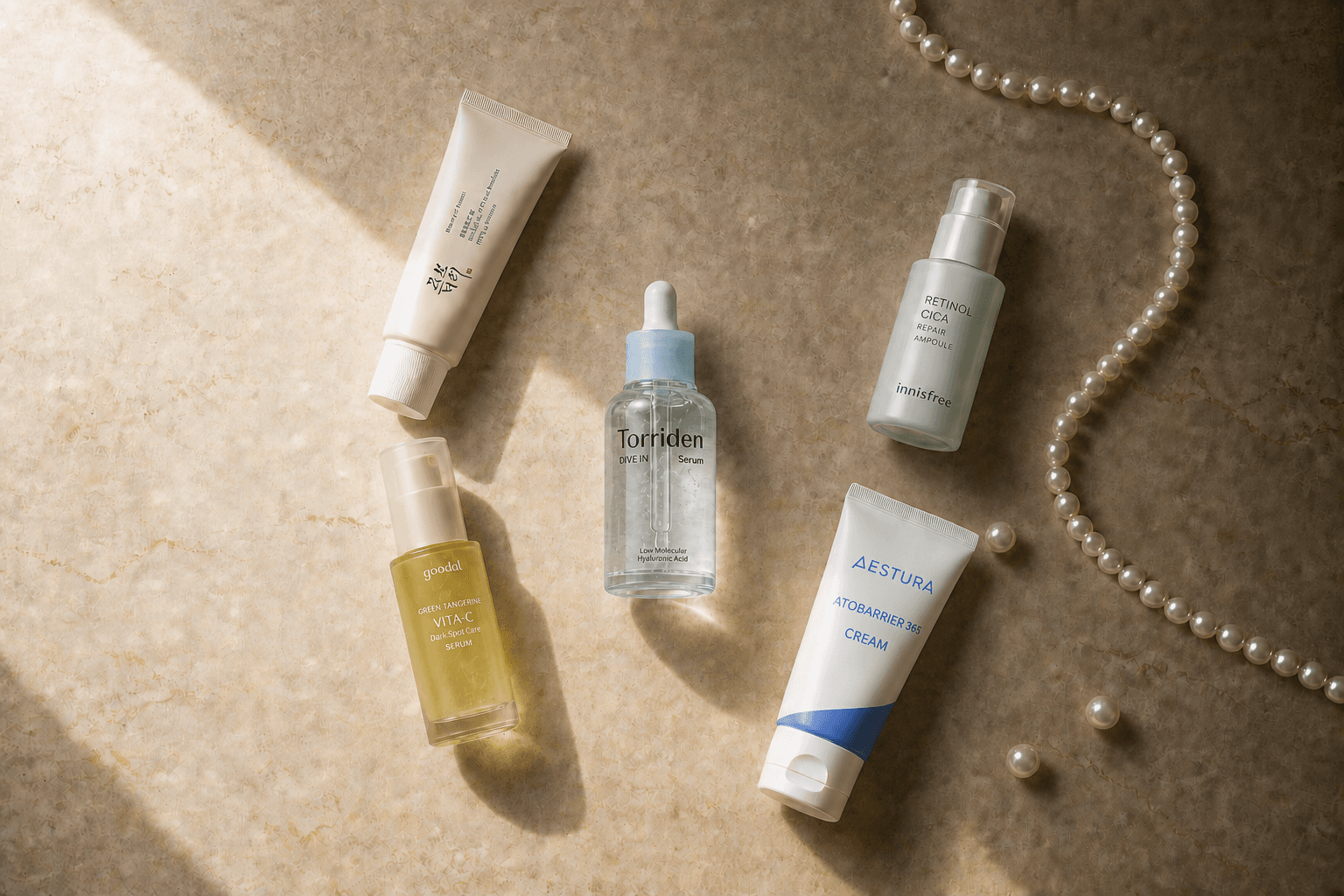
Hydration layering (toner → essence → moisturizer) is real, not a gimmick. Thin, water-based layers absorb faster and more completely than one thick cream, which is why it plumps skin visibly within days rather than weeks. A hydrating toner like Beauty of Joseon's Ginseng Essence Water or Anua's Heartleaf 77% Soothing Toner does the actual work here — not because of the brand name, but because they're humectant-forward and low-irritant. The technique matters more than the specific bottle: pat in thin layers on damp skin rather than rubbing in one thick coat.
Snail mucin is one of the few "trendy" ingredients with real backing. It's a humectant with mild wound-healing properties, which is why COSRX's Advanced Snail 96 Mucin Power Essence and Beauty of Joseon's Revive Serum built entire followings around it. It won't erase a scar, but dermatology research on snail secretion filtrate does support a role in barrier repair and hydration, which puts it ahead of most trend ingredients that never get past the marketing stage. It's a fan favorite for dehydrated and mildly irritated skin in particular.
Gentle chemical exfoliation (AHA/BHA, 2–3x a week) is doing more than any serum. Smoother texture is the single biggest lever for that "glass" look, and exfoliating acids are the most direct way to get it — far more than any essence layered on top of rough, flaky skin. Start at two nights a week and watch for irritation before adding more.
SPF, daily, reapplied — not glamorous, but it's the actual anti-aging step. Sun damage is the single biggest driver of uneven tone and texture over time. Skip this and nothing else matters in six months.
Genetics and skin type set the ceiling. Naturally low-pore, low-oil skin gets to "glass" faster with less effort. This is the part influencers rarely say plainly, and it's the reason the same routine gives wildly different results on different people.
What's mostly hype
- The 10-to-12-step routine. Piling on products doesn't compound benefits — it mostly adds irritation risk and diminishing returns after step four or five.
- Rice water and DIY ferments. Charming, inconsistent, and easy to get wrong: homemade ferments can shift in pH and microbial load without proper preservation, which is a real risk on facial skin. Commercially formulated rice-based products control for this; a jar on the counter usually doesn't.
- "Poreless" claims from any single product. Pore appearance changes with hydration and oil control day to day; pore size doesn't change from a serum, full stop.
- Jade rollers and gua sha for lasting glow. Temporary lymphatic depuffing, gone by lunch. Nice ritual, not a skin-changing tool.
- Glass skin as a universal goal. Dry, mature, or acne-prone skin often looks and feels better with a slightly different finish (more balm, less high-shine dew). Chasing "glass" specifically can push people toward over-hydrating products that aren't actually right for their skin.
Who should be skeptical of the whole trend
If you have active acne, rosacea, or a compromised barrier, chasing "glass" finish before treating the underlying issue is backwards — you'll layer humectants and acids onto skin that needs calm and repair first. In that case, the priority order flips: soothe and stabilize the barrier, treat the underlying condition with input from a dermatologist if needed, and only then think about texture and glow. A dewy finish on inflamed or reactive skin isn't a look worth chasing yet.
Our Korean skincare routine guide by skin type breaks down which actives suit which skin type, and walks through the order of operations if you want the full layering sequence step by step.
FAQ
Is glass skin achievable for everyone? The finish is achievable for most people with consistent hydration and exfoliation. The exact luminous, poreless look you see on influencers is shaped heavily by genetics, lighting, and often a filter — don't chase an unrealistic ceiling.
How long does it take to see results? Hydration plumping can show up in days. Texture changes from exfoliation typically take 4–6 weeks of consistent use, and sun-damage reversal (tone evenness) is measured in months, not weeks.
Do I need Korean products specifically to get glass skin? No — the formulation logic (lightweight layering, gentle actives) matters more than country of origin. Korean brands are just where a lot of this formulation style is mainstream and affordable.
Is snail mucin actually from snails, and is it safe? Yes, it's a filtrate from farmed snails, and it's one of the more heavily studied "trend" ingredients for hydration and barrier support. Patch test first if you have sensitive skin, since mucin-based products can still contain fragrance or other actives that irritate.