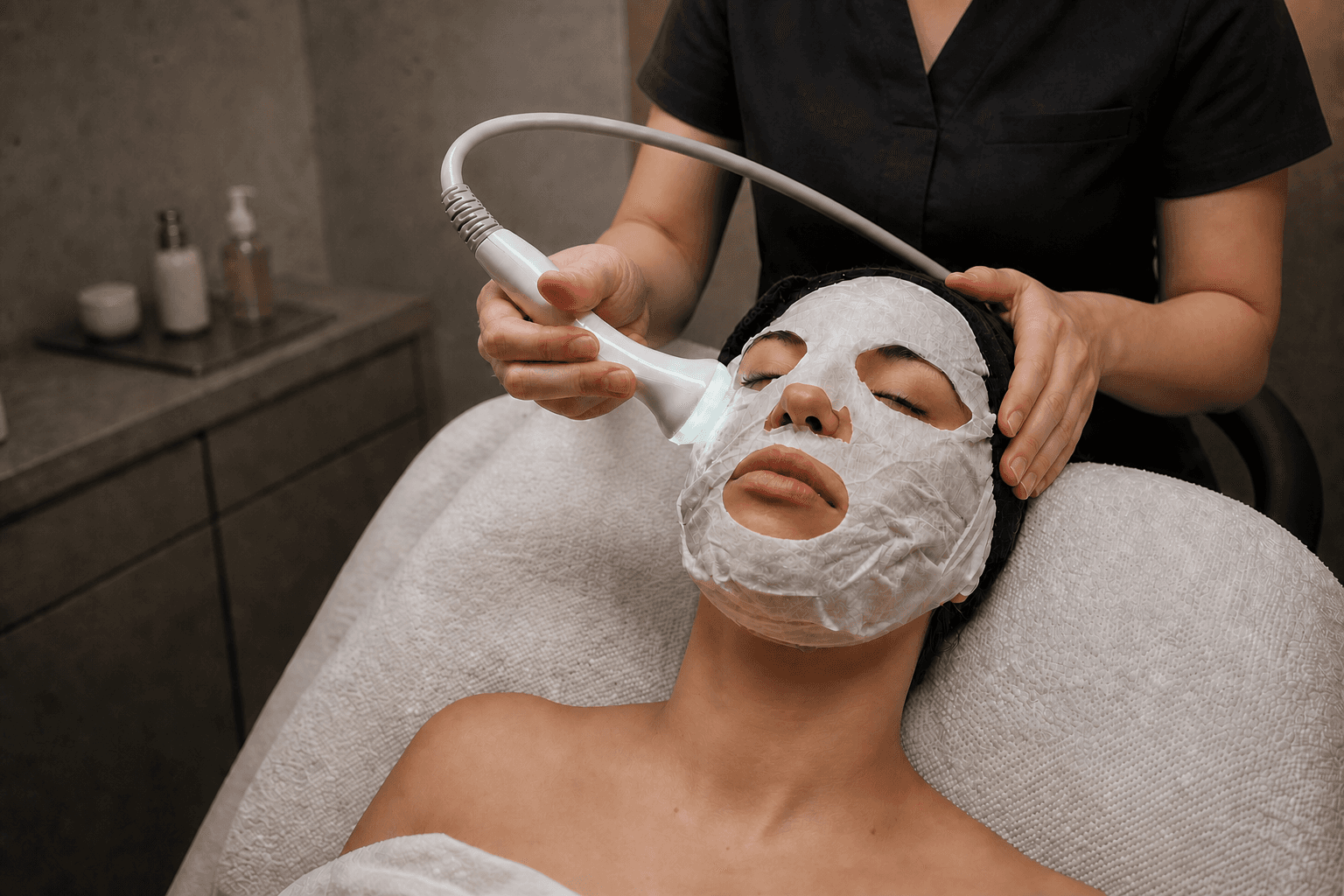
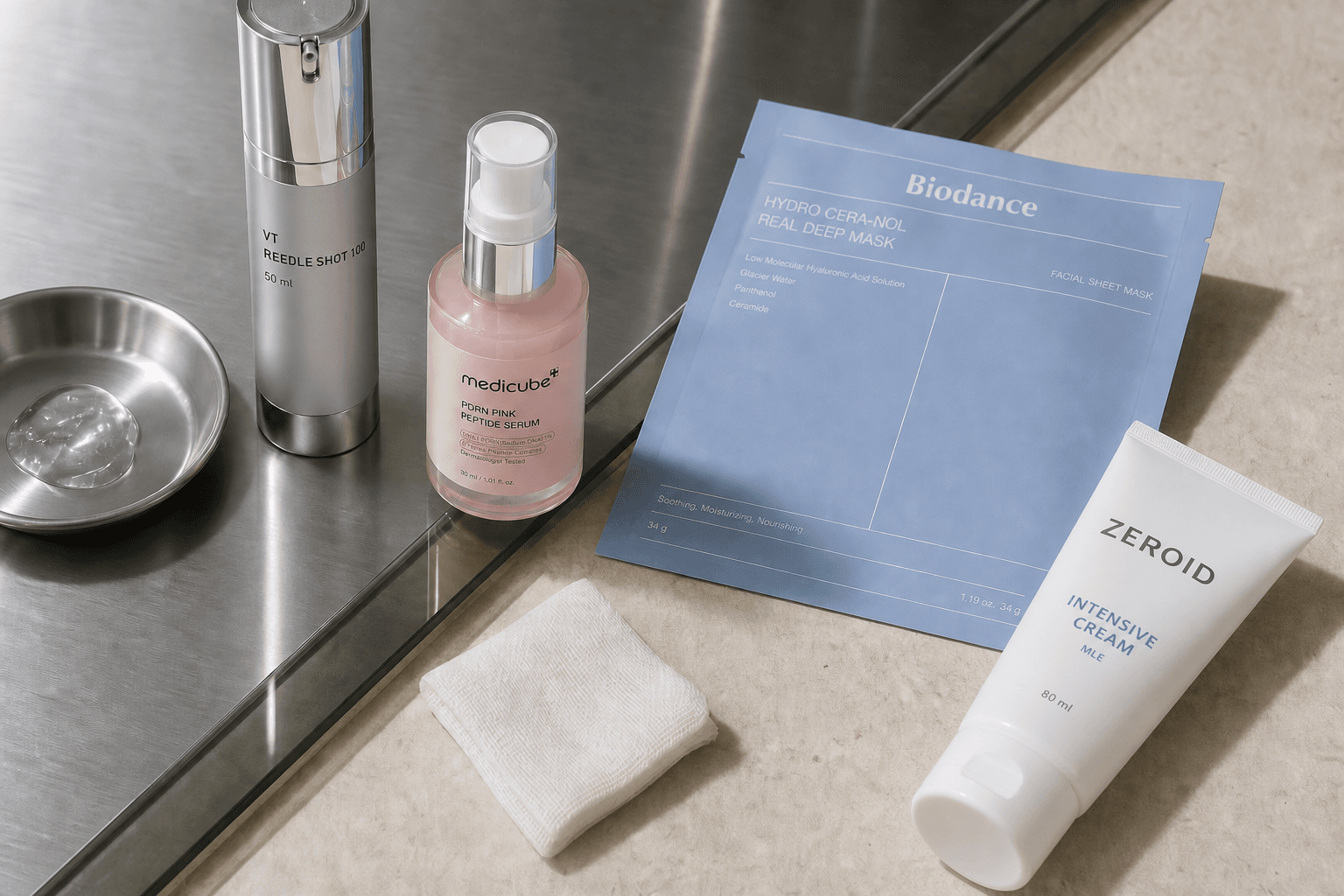
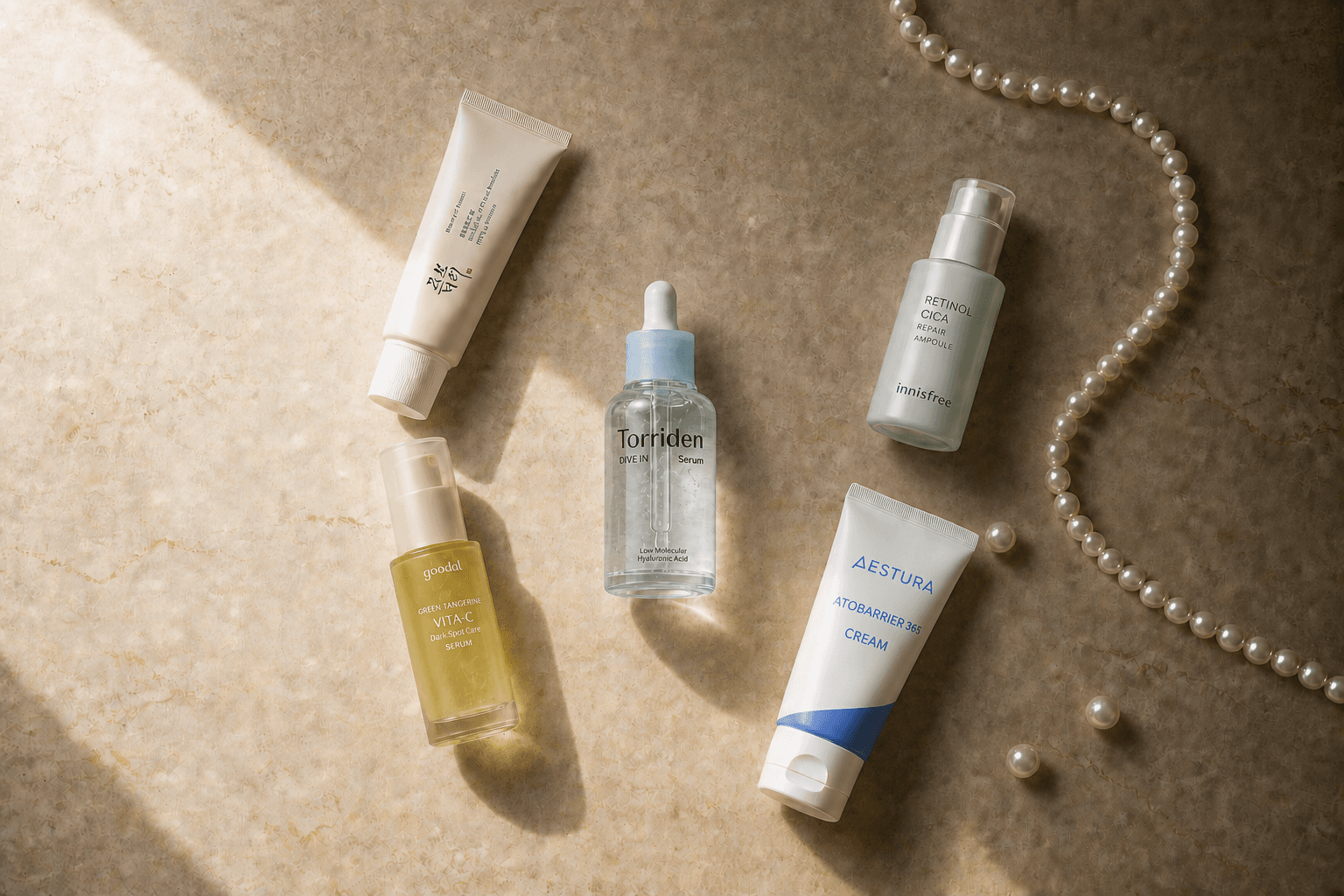
The 7-Step Korean Evening Routine for Calm, Glossy Skin
The night routine for people who like the ritual, but still want the logic to be clean.
By A Drop of Seoul Editorial ·
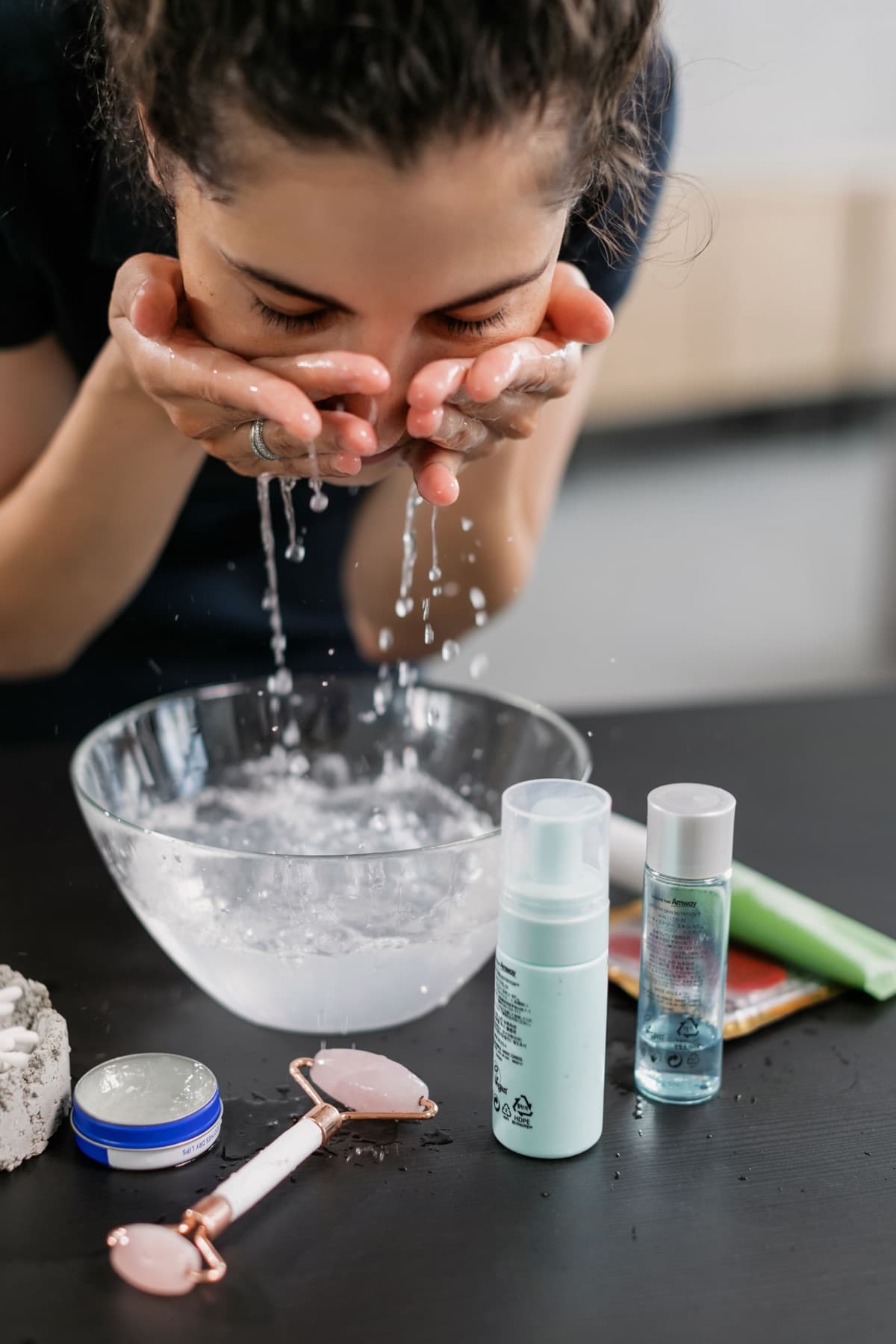
The seven-step Korean evening routine is where skincare starts to feel like a ritual. Done well, it is slow in the best way: sunscreen comes off, the day leaves with it, and the skin gets exactly enough support to wake up calmer.
Done badly, it becomes seven chances to irritate your face. The difference is restraint.
Quick answer
A balanced Korean 7-step evening routine is oil cleanse, water cleanse, hydrating toner, essence or serum, targeted treatment, moisturizer, and optional sleeping mask or balm. Exfoliating acids and retinol should not be treated as nightly decorations. Use them with intent.
If seven steps sounds exhausting, read the 3-step routine or skip-care guide first.
Step 1: Oil or balm cleanse
This step removes sunscreen, makeup, and oil-soluble debris. Massage gently and rinse fully. You are not trying to scrub out your pores. You are dissolving the film that water cleanser does not remove well.
If you did not wear sunscreen or makeup, this step may be unnecessary. But for most daily SPF users, it is the reason the second cleanse can stay gentle.
Step 2: Water cleanser
Use a low-pH gel, cream, or foam cleanser depending on your skin. The face should feel clean and flexible afterward. If it feels polished like a plate, the routine has already gone too far.
Step 3: Hydrating toner
After cleansing, add water back fast. Hydrating toners make the rest of the routine spread more smoothly. This is a good place for glycerin, panthenol, hyaluronic acid, heartleaf, or mugwort.
For very dry skin, apply two thin layers. For oily skin, one layer is plenty.
Step 4: Essence or serum
Choose a serum based on your main concern, not the trend of the week:
- Dull tone: niacinamide, rice, vitamin C, tranexamic acid.
- Redness: centella asiatica, madecassoside, heartleaf, mugwort.
- Dehydration: hyaluronic acid, sodium hyaluronate, glycerin.
- Texture: gentle AHA or BHA on selected nights.
- Early aging: peptides, adenosine, bakuchiol, or retinol.
Step 5: Treatment, but not every treatment
This is the step that needs discipline. If you use retinol, do not use glycolic acid in the same night unless your dermatologist specifically told you to. If you use salicylic acid for clogged pores, do not also layer a strong brightening serum just because it is on the shelf.
Treatment nights should have a theme. Retinol night. Exfoliation night. Calming night. Hydration night. Your face appreciates editing.
Step 6: Moisturizer
Moisturizer locks the night together. In Korean routines, it is often less about heaviness and more about barrier comfort. Ceramides, squalane, panthenol, and allantoin are useful here.
If your skin is oily, use a gel cream. If your skin is dry or post-treatment, use something richer.
Step 7: Sleeping mask or balm, only when needed
A sleeping mask is not a moral achievement. Use it when your skin is dehydrated, winter-dry, or post-flight. Skip it when your skin is congested or the weather is humid.
Think of it as a weather layer, not a mandatory step.
Read next
For the glow version of this logic, read Glass Skin Without 10 Steps. For irritated skin, use A Korean Barrier-Repair Routine instead of chasing more steps.
FAQ
What is the right order for a 7-step Korean night routine?
A practical order is oil cleanser, water cleanser, toner, essence or serum, treatment, moisturizer, and optional sleeping mask. The treatment step should have one job, such as retinol, exfoliation, brightening, or calming.
Do I need to double cleanse every night?
Double cleanse when you wore sunscreen, makeup, or a water-resistant formula. If you stayed indoors with minimal product, one gentle cleanser may be enough. The goal is clean skin without a tight, stripped feeling.
Can I use retinol and exfoliating acids in the same night routine?
Most beginners should not use retinol and exfoliating acids in the same night. Choose one active theme per night and keep the rest of the routine calming. This lowers the chance of redness, peeling, and barrier damage.
Where does a sheet mask go in a Korean routine?
Use a sheet mask after toner and before moisturizer. If the mask is rich in serum, skip your separate serum that night. Remove it before it dries so it does not pull moisture back from the skin.
Is a sleeping mask necessary?
No, a sleeping mask is optional. Use one when your skin feels dehydrated, winter-dry, or post-flight. Skip it if you are congested, oily, or already using a rich moisturizer.