Korean Haircare for Fine, Frizzy Hair: What We'd Try
Most of this aisle was formulated for hair that isn't yours. Here's how to shop it anyway.
By A Drop of Seoul Editorial ·
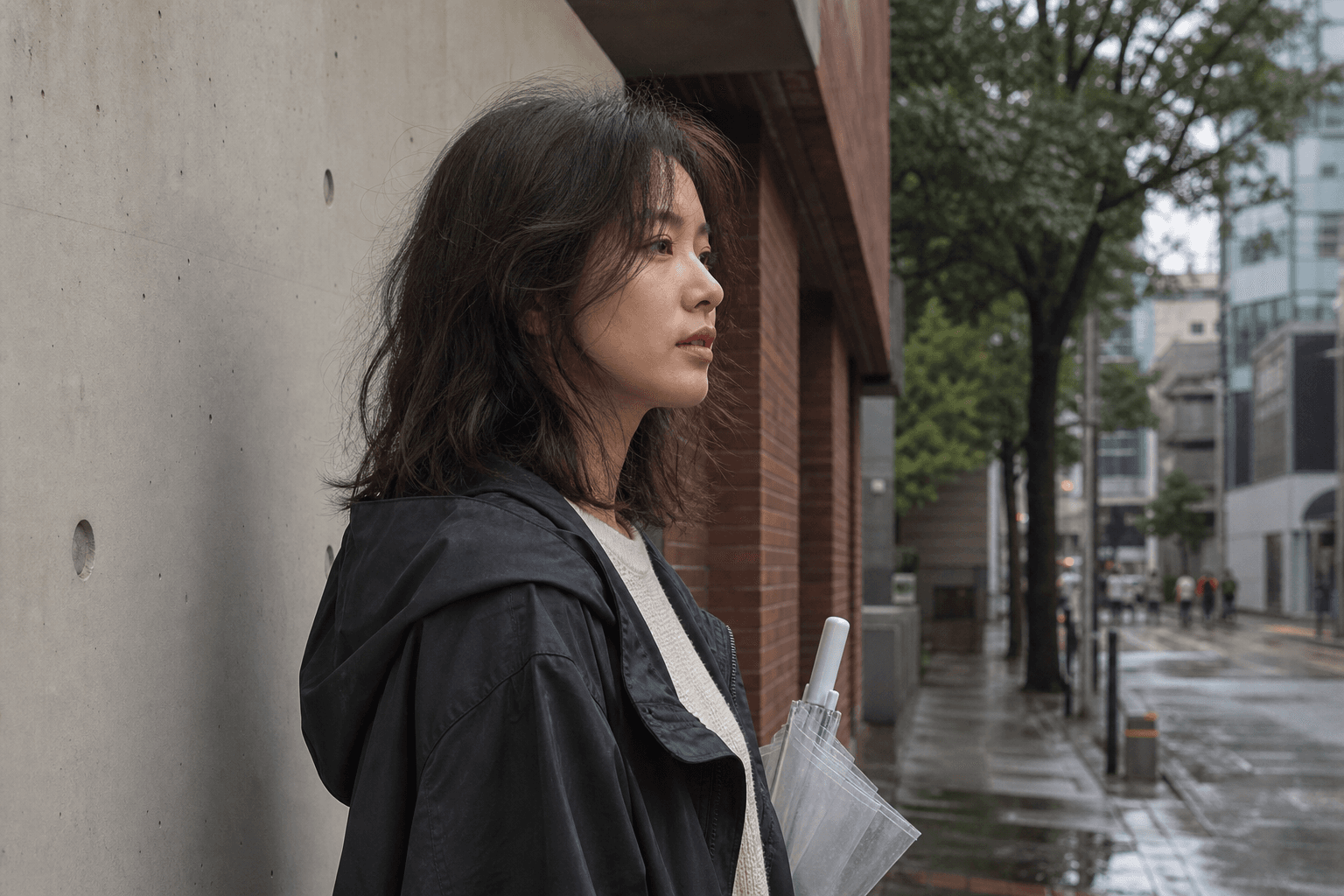
A friend came back from Seoul with the famous treatment — the one that wins everything, the one we'd have recommended — and texted three days later to say her hair felt like a curtain.
She hadn't done anything wrong. She has very fine hair, and she'd bought a product designed for hair that isn't hers.
This is the article we should have sent her first.
Quick answer
If your hair is fine: skip the heavy repair masks. Buy a light essence or oil for the ends and a scalp product for the roots. Weight is your enemy, not damage.
If your hair is frizzy or wavy: frizz is a moisture problem. Korean masks skew protein-forward, which smooths it for a week and then makes it worse. Lead with moisture, use protein occasionally.
Either way: the scalp half of Korean haircare transfers to every hair type. The strand half is where the assumptions live.
What the aisle assumes about you
It's worth saying plainly, because nobody in the shop will: Korean hair products are formulated around Korean hair.
That means straight to gently wavy, moderate to high density, dark, and — crucially — frequently chemically processed. Perms, color, bleach, straightening treatments. A very large share of the customers these products were built for have damaged the internal structure of their hair on purpose, repeatedly.
The rational formulation response to that customer is protein. Bond builders, keratin, hydrolyzed proteins, amino acids. And that's exactly what the top-selling Korean treatments are built around.
If your hair is fine and undamaged, that protein has nowhere useful to go, and it sits there as weight. If your hair is curly and protein-sensitive, that protein makes it rigid. Neither outcome means the product is bad. It means it wasn't for you.
Fine hair
The problem is weight, and it's cumulative. Fine hair looks great for one wash after a rich treatment and then progressively flatter. By day three you've concluded the product failed, when actually it's still on your head.
What we'd do:
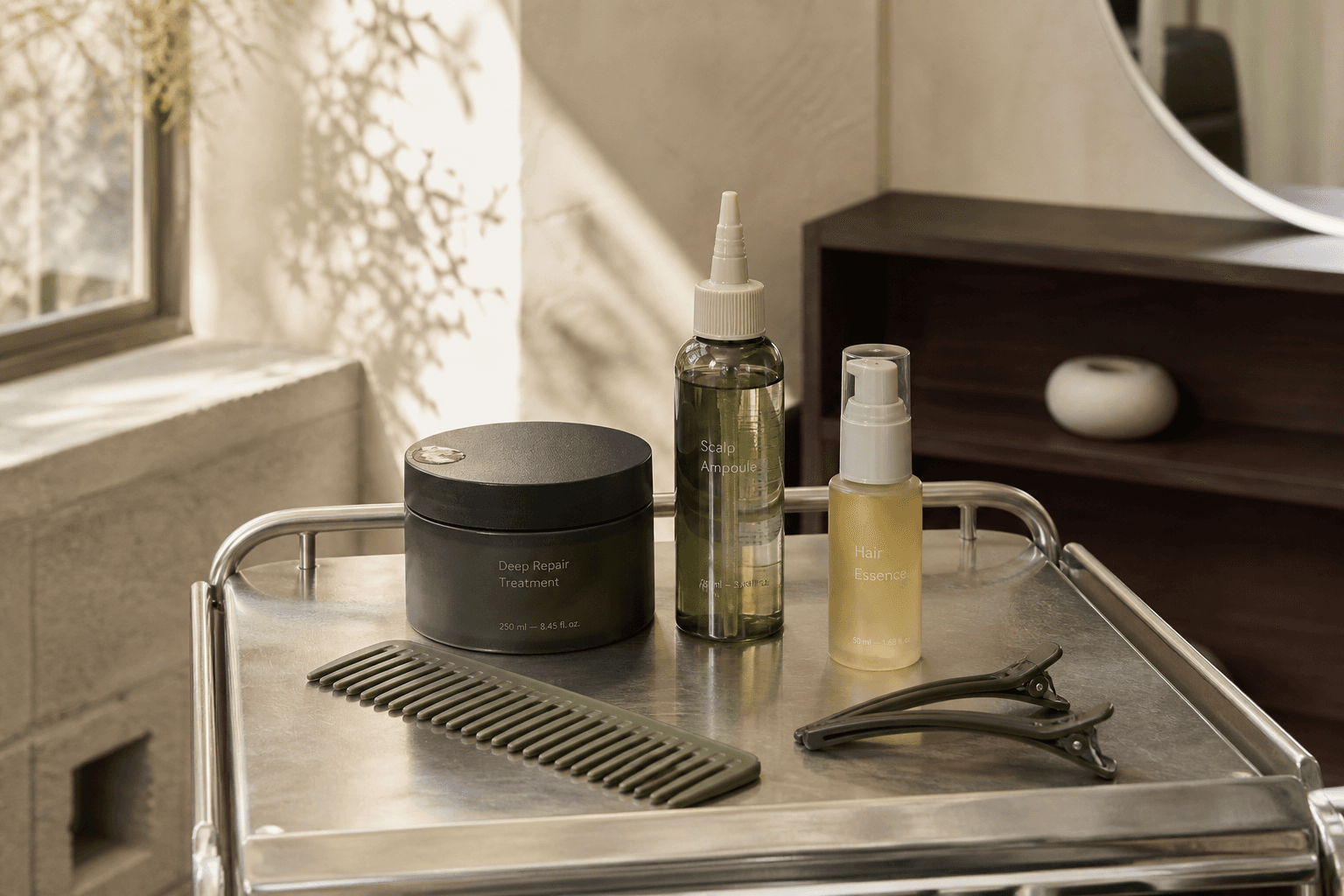
- Move your budget from masks to essences. A light leave-in on damp ends does most of what you wanted from a mask, at a fraction of the load. Mise en Scène's Perfect Serum is the ubiquitous cheap one and a reasonable place to start.
- Apply from the ends up, and stop early. Whatever line you think is far enough from your roots, go two inches lower.
- Wash often. This is the Korean default anyway — scalp-first logic means frequent, gentle washing rather than stretching washes — and it happens to be exactly right for fine hair, which shows buildup faster than any other type.
- Use scalp products, not strand products, as your main purchase. Volume in fine hair comes from a clean, healthy scalp far more than from anything applied to the lengths.
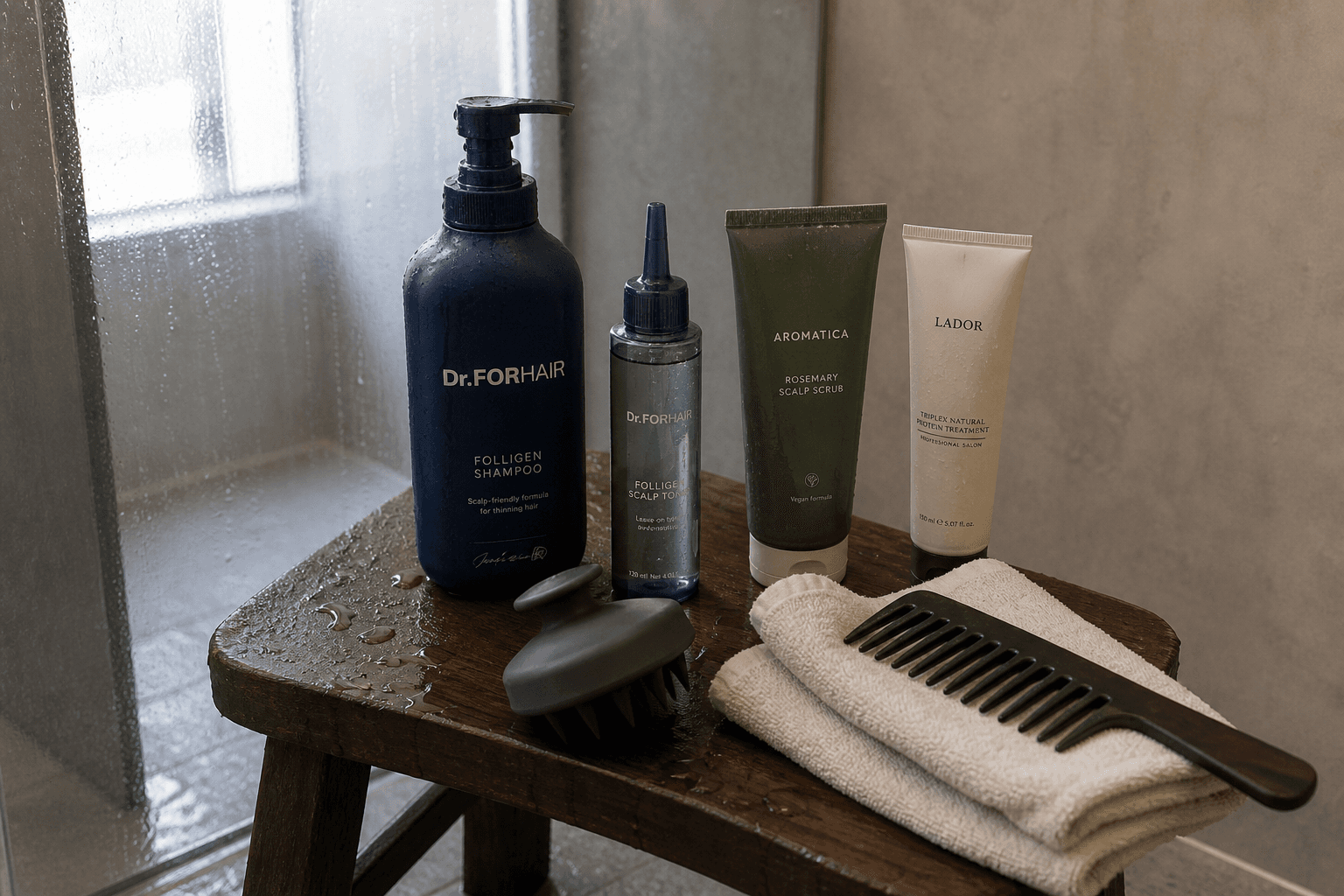
- If you do want a mask, choose silicone-free and rinse longer than feels necessary. Aromatica's quinoa protein mask is a lighter, silicone-free option worth trying before the heavier best-sellers.
What we'd skip: butter-textured masks, leave-in oils above the mid-length, two-in-one shampoo-conditioners, and anything described as "rich."
Frizzy and wavy hair
Frizz is dehydration wearing a texture costume. Hair frizzes when the cuticle is raised and the strand is pulling moisture from the air unevenly.
Protein temporarily smooths the cuticle, which is why a protein mask can feel like a miracle for about a week. Then the strand stiffens, snaps more easily, and frizzes worse. That's protein overload, and it's the most common way Korean haircare goes wrong on non-Korean hair.
What we'd do:
- Alternate. Moisture mask most weeks, protein mask occasionally — maybe once a month. If hair ever feels rough and squeaky instead of soft, stop protein entirely for four to six weeks.
- Seal the ends. Oil or essence on damp ends, every wash. This is the single highest-return habit for frizz and it costs almost nothing.
- Rinse cooler. Korean routines already treat hot water as scalp-irritating; for frizz it also matters at the cuticle.
- Don't towel-scrub. Squeeze. A cotton t-shirt beats a terry towel.
What we'd skip: stacking a protein shampoo, protein mask, and protein leave-in — which is easy to do accidentally, because the packaging rarely says "protein" in English. More on reading labels below.
Curly and coily hair
The honest version: this market is not built for you, and we're not going to pretend otherwise.
What genuinely transfers: everything scalp-side. Scalp ampoules, tonics, exfoliating scalp scrubs, and the whole head spa category. A scalp is a scalp, and Korea is very good at scalps.
What mostly doesn't: the strand products. The masks are protein-forward, the styling category assumes a straight-hair finish, and there's little formulated for defining a curl pattern.
If you want to try anyway: one moisture-led mask, one section, two weeks. That's the whole experiment. Don't build a routine out of it before you know.
How to read the label
The protein content usually isn't flagged in English. A few Korean words worth recognizing on the front of a bottle:
- 단백질 (danbaekjil) — protein
- 케라틴 (keratin) — keratin
- 수분 (subun) — moisture, hydration
- 손상 (sonsang) — damage; "손상모" means damaged hair, and a product labeled for it is almost always protein-led
- 볼륨 (bollyum) — volume; usually the lighter formulas
If the packaging says 손상 or 단백질 and your hair is fine or protein-sensitive, that's your signal to put it down.
The things that work regardless of texture
Three parts of Korean haircare are close to universal, and they're the ones we'd actually recommend to anyone:
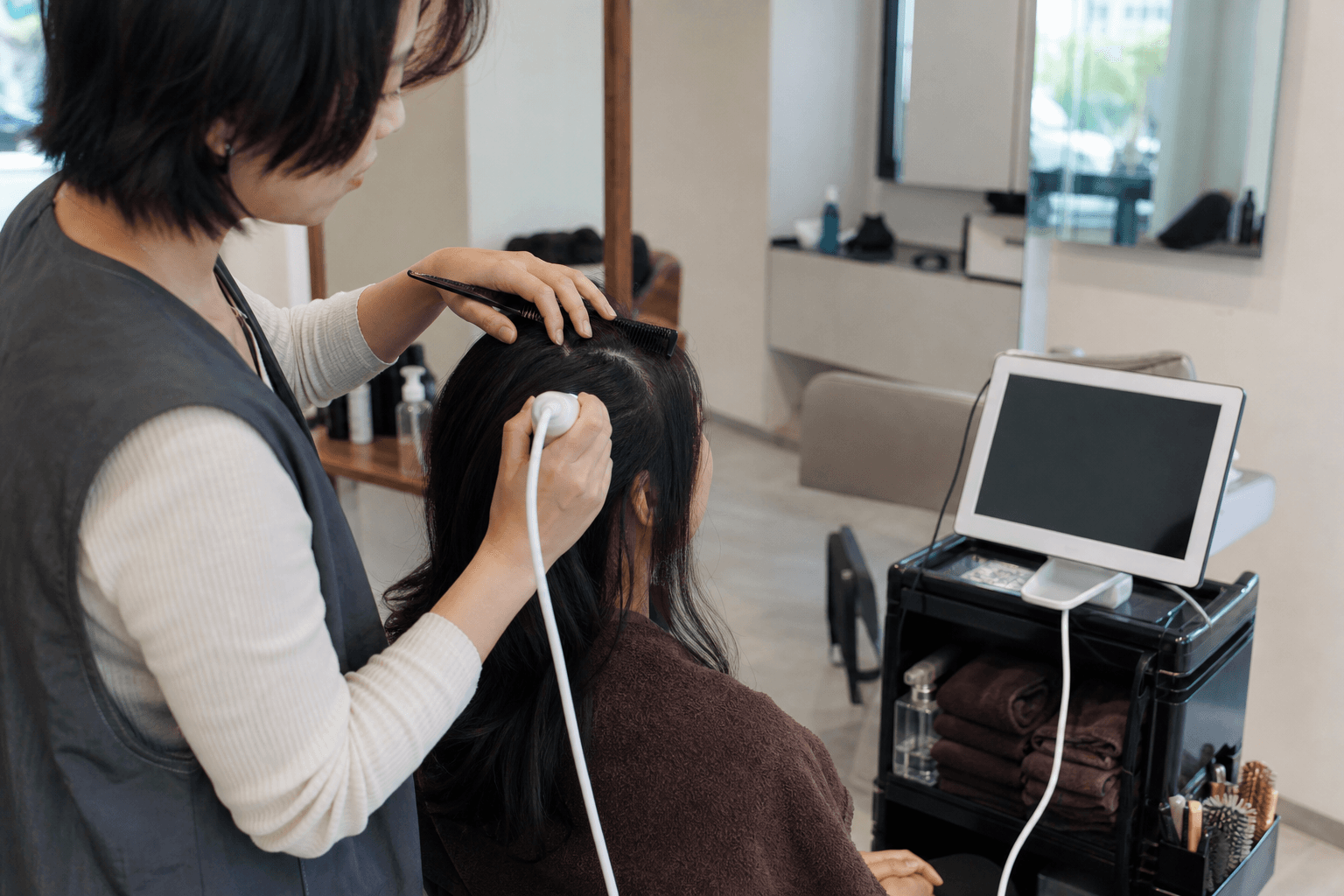
Scalp care. Ampoules, tonics, and scaling treatments. Applied to skin, not hair, so texture is irrelevant. Why Seoul takes this so seriously.
Heat protection. Korea takes heat damage seriously as a category, and the no-wash and heat-guard treatments are genuinely well made.
Ends-only oils and essences. Cheap, light, effective on every hair type, and the least likely thing in this aisle to backfire.
Read next
Sorting the brands out? The Korean hair brands worth knowing. Choosing a treatment? Korean hair masks worth bringing home. Starting from zero? Korean haircare is having a moment — where we'd start.
FAQ
Does Korean haircare work on fine hair?
The scalp products do, and they're arguably the better half of the category anyway. The rich treatment masks that top the best-seller lists are formulated for dense, chemically processed hair and commonly weigh fine hair down. Buy essences and scalp care instead of masks.
Why did a Korean hair mask make my hair feel worse?
Most likely protein overload. Korean treatments lean protein-heavy because the domestic customer is often bleached or permed. On hair that doesn't need structural repair, protein accumulates and leaves hair stiff, rough, and prone to breakage. Stop for a month and use moisture-led products.
Is Korean haircare good for curly hair?
The scalp side, yes. The strand and styling side, mostly not — it's formulated around straight-to-wavy textures and offers little for curl definition. Treat it as a scalp-care resource rather than a full routine.
How do I know if a Korean product is protein-based?
Look for 단백질 (protein), 케라틴 (keratin), or 손상 (damage) on the packaging. Products labeled 수분 (moisture) or 볼륨 (volume) are usually the lighter alternatives.
What single Korean hair product would you recommend for fine, frizzy hair?
A light leave-in essence applied to damp ends only. It's the least likely product in the category to backfire on either concern, and it's cheap enough to test without commitment.